
1. NYC Construction Access Agreement/Licenses – Know the Legal Framework
When a developer seeks access to neighboring property for construction purposes, New York law commonly requires:
- Developer to pay the neighboring property owner’s reasonable attorney and engineer fees
- Developer to pay to the neighboring property owner a license fee for access
- Developer to protect and insure against damage to the neighboring property
We represent neighboring property owners and developers in negotiating fair and efficient access agreements.
2. Why Property Owners Call Us Immediately
- Developers often send pre-drafted agreements favoring their interests.
- You may have leverage to negotiate stronger protections and compensation.
3. Call James J. Corbett, P.C.
- 33+ Years of Experience
- Former Construction Company General Counsel
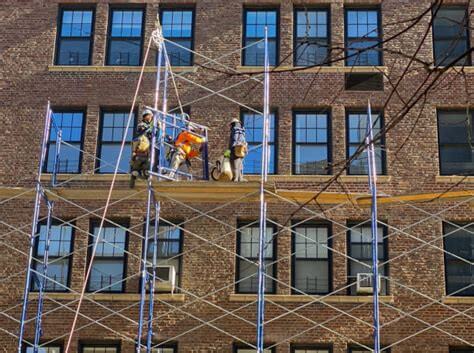
At James J. Corbett, P.C., we represent New York City property owners in negotiating and enforcing construction access agreements, including those governed by RPAPL § 881. When developers need access to your property for adjacent construction, we ensure your rights are protected, your property is safeguarded, and you receive fair compensation.
What is an Access Agreement Attorney?
An access agreement attorney helps property owners negotiate and enforce construction access agreements. In NYC, these agreements protect your property rights, set insurance and safety requirements, and ensure you receive fair compensation when developers need access to your property. Professional legal guidance is critical under RPAPL § 881 and NYC Building Code.
What is a Construction Access Agreement?
A construction access agreement is a legal document granting temporary rights for one party—usually a developer or contractor—to enter or use another’s property during construction. In NYC, these agreements are often needed to install scaffolding, access walls, or install protective barriers on neighboring properties.
What is RPAPL § 881?
RPAPL § 881 is a section of New York’s Real Property Actions and Proceedings Law that permits a developer to petition the court for access to an adjoining property when consent is withheld. Courts often impose conditions such as insurance, indemnification, and financial compensation to the adjoining property owner.
When is an Access Agreement needed in NYC?
Access agreements are needed when construction activities—like facade restoration, window replacement, or excavation—require entry onto, or impact, neighboring properties. NYC Building Code and DOB regulations often mandate these agreements.
JCPC’s Approach to Access Agreements
We guide clients through every phase—from negotiating favorable terms, reviewing insurance and indemnification clauses, to representing clients in RPAPL § 881 proceedings if voluntary agreement cannot be reached. We focus on protecting property rights and minimizing disruption to your building or tenants.
Frequently Asked Questions
What happens if I deny access to a developer?
If you deny access, the developer may file a petition under RPAPL § 881 in Supreme Court. The court can grant access upon terms that are just and reasonable, including compensation and protective conditions. Warning: Denying access can result in significant financial consequences, including being responsible for project delays and court-imposed terms that may be less favorable than a negotiated agreement.
How much does a construction access agreement typically cost in NYC?
License fees vary widely based on project scope, duration, and property impact. Recent Manhattan court cases show fees ranging from $200/day for minimal access to thousands monthly for extensive scaffolding or staging areas. Courts may also require the developer to pay your attorney’s fees and professional costs, as established in recent RPAPL § 881 decisions. The exact amount depends on factors like property size, access duration, and level of disruption to your building’s normal operations.
Will the developer need to post a bond for access to my property?
Bond requirements depend on the project’s scope and potential risk to your property. Courts consider factors such as excavation depth, structural work proximity, and the developer’s track record. Whether a bond is required under RPAPL § 881 depends on the degree of intrusion and potential for property damage. Projects involving deep excavation, underpinning, or significant structural work are more likely to require bonds as additional protection for adjoining property owners.
What insurance requirements should be included in an access agreement?
Access agreements should require comprehensive general liability insurance naming you as an additional insured, with coverage typically ranging from $1-5 million depending on project scope. The agreement should also include indemnification clauses protecting you from claims arising from the developer’s work. Proper insurance and indemnification provisions are critical to protect against property damage, personal injury claims, and construction defects that may arise during the access period.
How long does an RPAPL § 881 court proceeding typically take?
RPAPL § 881 petitions are “special proceedings” designed to be resolved more quickly than typical litigation, usually within 60-90 days from filing to decision. However, complex cases involving extensive detailed witness testimony or significant opposition can take 4-6 months. The expedited nature of these proceedings means quick legal action is essential for both developers seeking access and property owners protecting their rights.
What should an access agreement include to protect my rights?
An effective access agreement should clearly define the scope of work, duration, access zones, restoration obligations, insurance requirements, and compensation for use and inconvenience. Critical provisions include pre-construction surveys, detailed protection plans, overstay penalties, and enforcement mechanisms. Proper drafting and enforcement of access agreements is essential to avoid costly disputes and ensure your property rights are protected throughout the construction period.
Who pays the attorney’s fees in access agreement disputes?
In RPAPL § 881 proceedings, courts routinely award reasonable attorney’s fees to adjoining property owners, particularly when enforcement action is required. Recent Manhattan court decisions confirm that property owners can recover legal costs when developers violate access terms or continue using property after license expiration. The developer typically bears the cost of legal fees for both negotiating the original agreement and any subsequent enforcement actions.
Can developers install permanent structures like underpinning on my property?
While RPAPL § 881 traditionally covers temporary access, recent court decisions have allowed certain permanent encroachments like underpinning when required by NYC Building Code safety requirements. However, permanent installations require more stringent conditions and typically higher compensation. Bond requirements for construction access are more likely when permanent encroachments are involved, and property owners have stronger grounds to demand substantial protective measures.
What happens if the developer damages my property during construction?
Well-drafted access agreements include comprehensive insurance requirements and indemnification clauses to cover property damage. If damage occurs, the developer’s insurance should cover repairs, and the indemnification clause provides additional protection. Construction contract disputes involving property damage can be complex, involving multiple insurance carriers and potentially lengthy litigation. Pre-construction documentation and clear repair obligations in the access agreement are essential for efficient damage resolution.
How are access agreement violations enforced in NYC?
Access agreement violations can be enforced through various legal mechanisms, including breach of contract claims, contempt of court proceedings (for court-ordered licenses), and injunctive relief to stop unauthorized activity. Enforcement of construction access agreements requires clear contract terms and proper documentation of violations. Recent cases show courts are willing to award damages and attorney’s fees when developers exceed their access rights or fail to comply with agreement terms.
Why should I hire an attorney for an access agreement negotiation?
Construction access agreements impact your property rights and expose you to potential liability worth hundreds of thousands of dollars. An experienced construction access agreement lawyer will ensure your interests are protected, your property is safeguarded, and you receive fair compensation. Professional legal guidance is essential given the complexity of NYC Building Code requirements, insurance provisions, and the potential for costly disputes. The cost of legal representation is typically recoverable from the developer and provides crucial protection for your most valuable asset.
What NYC Building Code requirements trigger the need for access agreements?
Access agreements are commonly required for facade restoration, window replacement, excavation work, and installation of protective systems on neighboring properties. The NYC Building Code mandates protection of adjacent properties during construction, often requiring access for scaffolding, sidewalk bridges, or monitoring equipment. Recent Building Code amendments have expanded requirements for pre-construction evaluations and protective measures, making access agreements more critical than ever for NYC construction projects.
What happens if a developer overstays an access agreement in NYC?
If a developer continues to use your property after an access agreement expires, you may be entitled to additional compensation and legal remedies. In NYC, property owners can seek injunctive relief, damages, or attorney’s fees when a developer violates or overstays an agreement under RPAPL § 881. Prompt legal action helps enforce your rights.
Do I need an access agreement for façade repairs or window replacements?
Yes. NYC Building Code often requires access agreements for façade restoration, window replacement, or similar work that impacts neighboring properties. An access agreement attorney ensures proper insurance, safety measures, and fair compensation before work begins.
How can an access agreement attorney help me avoid costly disputes?
An experienced NYC access agreement attorney can negotiate favorable terms, secure insurance and bonds, and enforce your rights under RPAPL § 881. Early legal guidance reduces the risk of disputes, delays, and unexpected costs during neighboring construction projects.
